
Switching to solar power is a big decision for any business. With increasing electricity costs and growing concerns about the environment, more companies are considering solar panel systems as a viable energy solution. But is solar power right for your business? In this article, we’ll explore the benefits and considerations of using solar energy for commercial purposes.
The Rise of Commercial Solar Panels
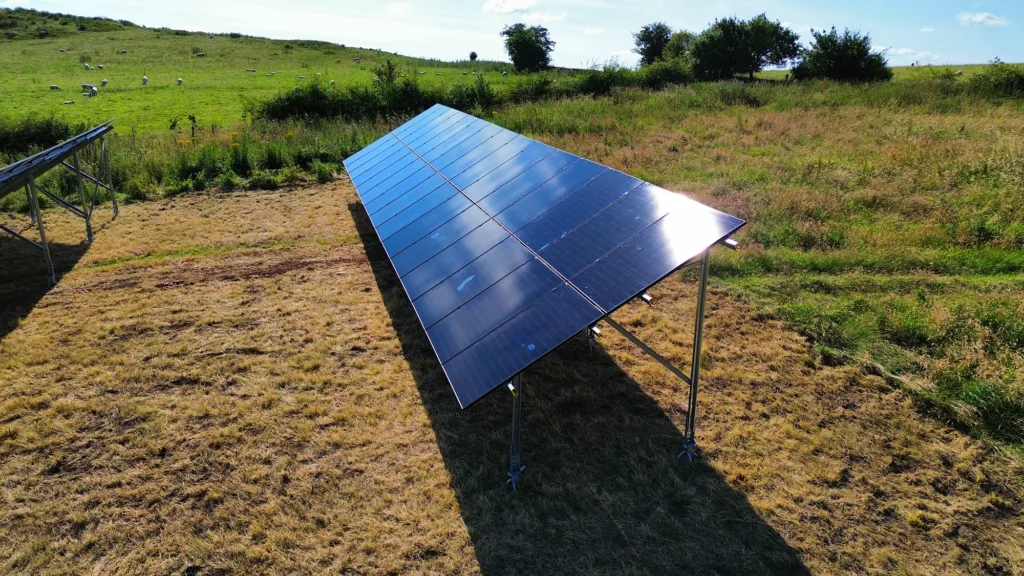
The use of solar panels for businesses has been on the rise due to several compelling reasons. First, solar technology has become more affordable and efficient. This means that businesses can install solar panels with a better return on investment than ever before. Additionally, governmental incentives have made the transition to solar power even more attractive.
Benefits of Solar Panels for Businesses
Switching to solar energy can offer numerous benefits for businesses of all sizes and industries. Here are some key advantages:
Cost Savings
One of the most significant benefits of solar power is the potential for cost savings. By generating your own electricity, you can reduce or even eliminate your energy bills. Over time, these savings can add up, making a substantial impact on your bottom line.
Environmental Impact
Solar energy is a clean, renewable source of power. By using solar panels, your business can reduce its carbon footprint and contribute to a healthier planet. This can also enhance your brand’s image, showing customers that you are committed to sustainability.
Energy Independence
With solar panels, your business becomes less reliant on the grid. This means you’re less vulnerable to rising energy prices and potential power outages, which can disrupt operations.
Types of Solar Panel Systems for Businesses

When considering solar power, it’s essential to understand the different types of solar panel systems available for businesses. Here’s a quick overview:
Rooftop Solar Panels
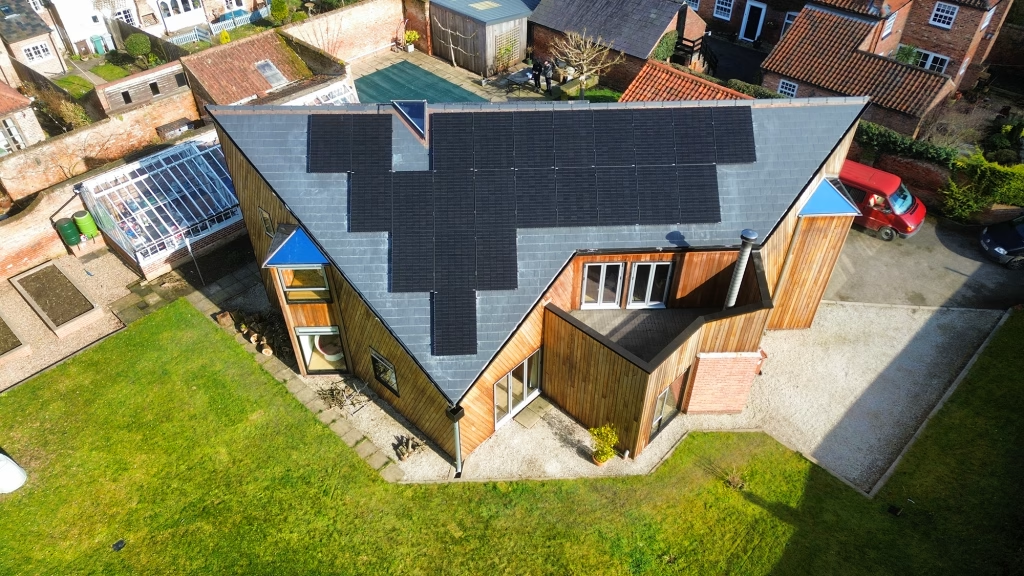
Rooftop installations are the most common type of solar panel system for businesses. They are ideal for businesses with ample roof space and can be installed with minimal disruption to daily operations.
Solar Farms
For businesses with large amounts of land, solar farms can be a viable option. These large-scale installations can generate significant amounts of energy and are often used by factories or companies with high energy demands.
Solar for Office Buildings
Office buildings can benefit from solar panels by reducing their operational costs. Solar panels can be installed on rooftops or integrated into the building’s design for maximum efficiency.
Solar for Retail Locations
Retail businesses can use solar power to reduce energy costs and improve their sustainability efforts. Solar panels can be installed on rooftops or carports, providing shade for customers and employees while generating clean energy.
Solar for Factories
Factories and industrial facilities often have high energy demands. Solar power can help offset these costs, providing a reliable and sustainable energy source.
Considerations Before Installing Solar Panels
While solar energy offers many benefits, there are several factors to consider before making the switch.
Initial Costs

The initial cost of installing solar panels can be significant. However, it’s essential to consider the long-term savings and potential incentives that can offset these costs. It’s also crucial to work with a reputable solar provider like Ipsum Renewables to ensure you get the best value for your investment.
Roof Condition and Space
Before installing solar panels, assess the condition of your roof. A sturdy, well-maintained roof is necessary to support the weight of solar panels. Additionally, ensure you have enough space to accommodate the number of panels needed to meet your energy demands.
Energy Needs
Evaluate your business’s energy needs to determine the size of the solar panel system required. Consider your current energy usage and any future changes that might affect your energy needs.
Location and Sunlight Exposure
Your location and the amount of sunlight your property receives will impact the efficiency of your solar panels. Properties in sunny areas will generate more energy than those in regions with less sunlight. However, advancements in solar technology have made it possible for panels to generate energy even in less-than-ideal conditions.
Maintenance
Solar panels require minimal maintenance, but it’s essential to keep them clean and check for any damage periodically. Regular maintenance ensures your system operates at peak efficiency and extends the life of your investment.
Conclusion: Is Solar Power Right for Your Business?
Deciding whether solar power is right for your business involves careful consideration of your energy needs, budget, and long-term goals. By weighing the benefits and considerations, you can make an informed decision that aligns with your business objectives.
Switching to solar energy can offer significant cost savings, reduce your environmental impact, and provide energy independence. With the right solar panel system, your business can take advantage of these benefits and position itself as a leader in sustainability.
Explore your options, consult with solar experts, and assess your business’s unique needs to determine if solar power is the right choice for you. With the right approach, solar energy can be a valuable asset to your business’s success and growth.