
Solar panels are a popular choice for those seeking renewable energy solutions, they convert sunlight into electricity, providing a sustainable power source.
But do solar panels need direct sunlight to function effectively? This is a common question among homeowners and business owners considering solar panel installation.
The answer is not as straightforward as it might seem. While solar panels perform best in direct sunlight, they can still generate power in other conditions.
Even on cloudy days or in indirect sunlight, solar panels can produce energy. However, the efficiency of energy production can vary based on several factors.
In this article, we’ll delve into the relationship between solar panels and sunlight. We’ll explore how solar panels work, the impact of direct and indirect sunlight on their performance, and how to optimise solar panel installation for maximum sunlight exposure.

Understanding Solar Panels and Sunlight
Solar panels are marvels of technology that transform sunlight into usable electricity. They do this through a process involving photovoltaic cells. These cells are the core component of solar panels and are crucial for the energy conversion process.
Photovoltaic cells consist of semiconductor materials such as silicon. When sunlight strikes these cells, it stimulates the electrons within. This action generates an electric current. It’s this current that powers homes and businesses, reducing reliance on traditional energy sources.
Not all sunlight is equal for solar panels. Direct sunlight hits the panels straight on, leading to optimal energy production. However, indirect sunlight, such as what occurs on cloudy days, can still be useful. Solar panels can harness both types of sunlight, though efficiency varies.
The capacity to generate electricity under different light conditions is vital. Solar panels use both direct and diffuse sunlight, ensuring consistent performance throughout most days. However, understanding the difference between these sunlight types can impact installation decisions.
Overall, solar panel efficiency depends on a variety of factors including the quality of sunlight. Recognising how sunlight interacts with photovoltaic cells helps maximise energy generation. This knowledge is essential for anyone considering solar panel installation.
The Impact of Direct Sun on Solar Panel Efficiency
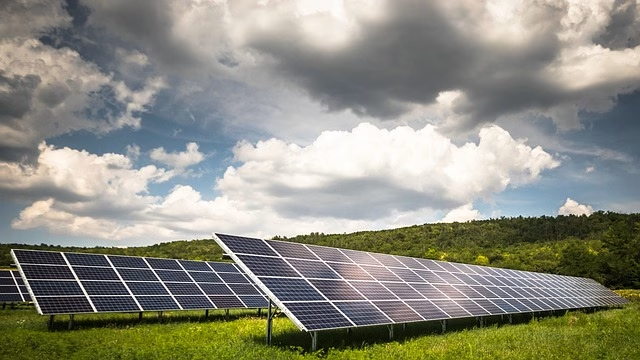
The presence of direct sunlight is a critical factor in solar panel performance. Under direct sun, solar panels operate at their peak efficiency, maximising energy production. This condition allows panels to convert the highest amount of sunlight into electricity.
However, solar panels are not completely inefficient without direct sunlight. They can still function effectively under diffuse sunlight, such as on overcast days. Although the output is reduced in such conditions, energy production continues, albeit at a lower rate.
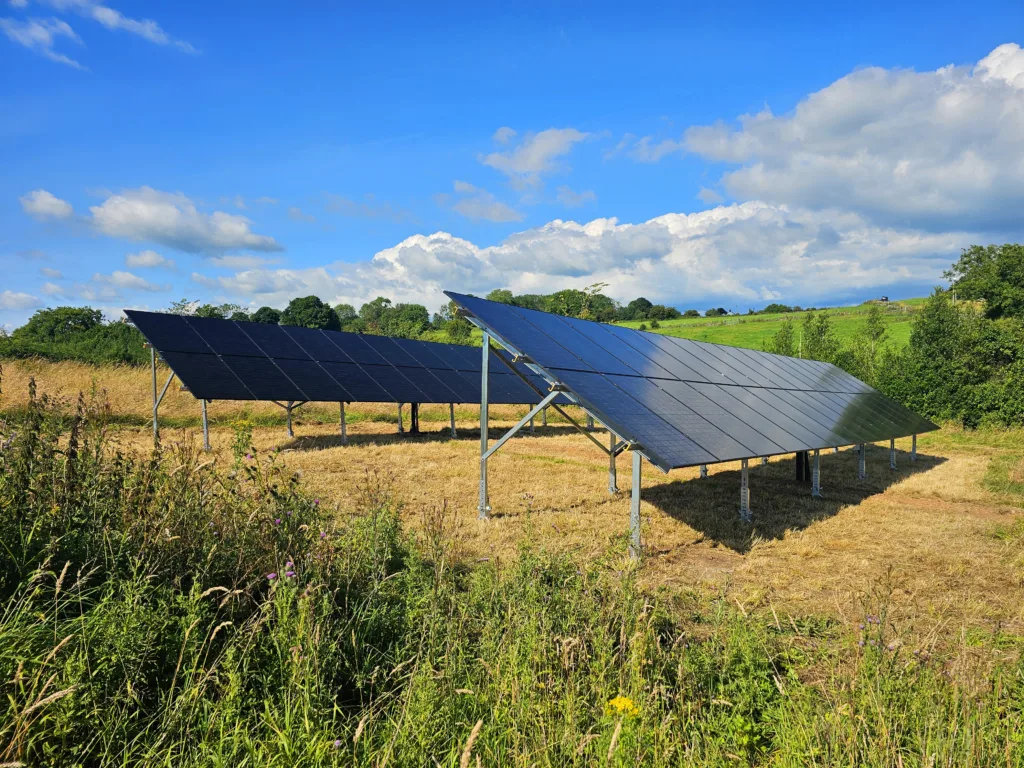
The orientation and tilt angle of solar panels significantly impact their efficiency. Positioning solar panels to face the sun optimally ensures the capture of maximum sunlight throughout the day. Ideally, solar panels should be tilted at an angle that corresponds to the latitude of the installation site.
Orientation is equally important. In the Northern Hemisphere, facing solar panels southward is usually the most effective strategy. Such strategic placement enhances energy production by taking advantage of the sun’s trajectory, leading to better long-term performance and return on investment.
Solar Panel Performance in Different Weather Conditions
Solar panels are surprisingly adaptable to various weather conditions. Even when skies are overcast, they continue generating power. Clouds diffuse sunlight, but do not completely block it, allowing panels to produce electricity, albeit less efficiently.
Shade and obstructions present more significant challenges. Trees, buildings, or other structures can cast shadows on solar panels, reducing their energy output. It’s crucial to minimise shade when planning a solar panel installation. Regular trimming of nearby trees can help ensure consistent exposure to sunlight.
Seasonal variations also affect solar energy production. During summer months, longer daylight hours increase the amount of sunlight available to panels. In winter, shorter days and a lower sun angle reduce energy production. Adjusting the tilt of panels seasonally can help maximise efficiency.
Moreover, some solar panel systems come with advanced features that mitigate the effects of shading. Bypass diodes, for instance, allow electricity to bypass shaded cells, reducing losses. Microinverters can also optimise the output of individual panels, further enhancing performance in partially shaded conditions.
The impact of weather on solar performance can be summarised as follows:
- Overcast skies reduce, but do not stop, solar energy production.
- Shade from trees or buildings decreases panel efficiency.
- Seasonal changes affect sunlight intensity and daylight hours.
Weather-dependent variations are a normal aspect of solar energy. Implementing strategic measures can help optimise performance despite these fluctuations.
Solar Panel Installation for Optimal Sunlight Exposure
When installing solar panels, following best practices is essential. Proper installation ensures maximum energy production. The panels must be positioned and angled correctly to harness the most sunlight.
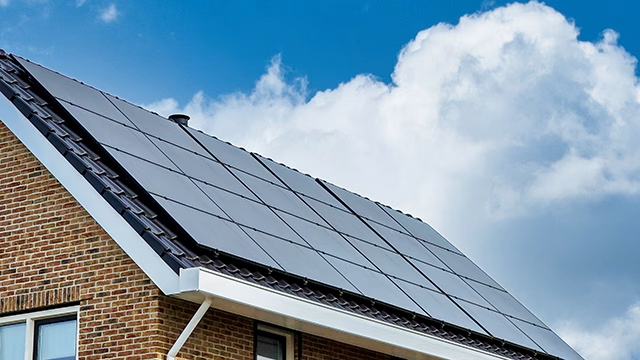
Geographic location plays a significant role in installation decisions. In the Northern Hemisphere, south-facing installations usually receive the most sunlight throughout the year. Adjusting the tilt of the panels based on latitude can further enhance efficiency.
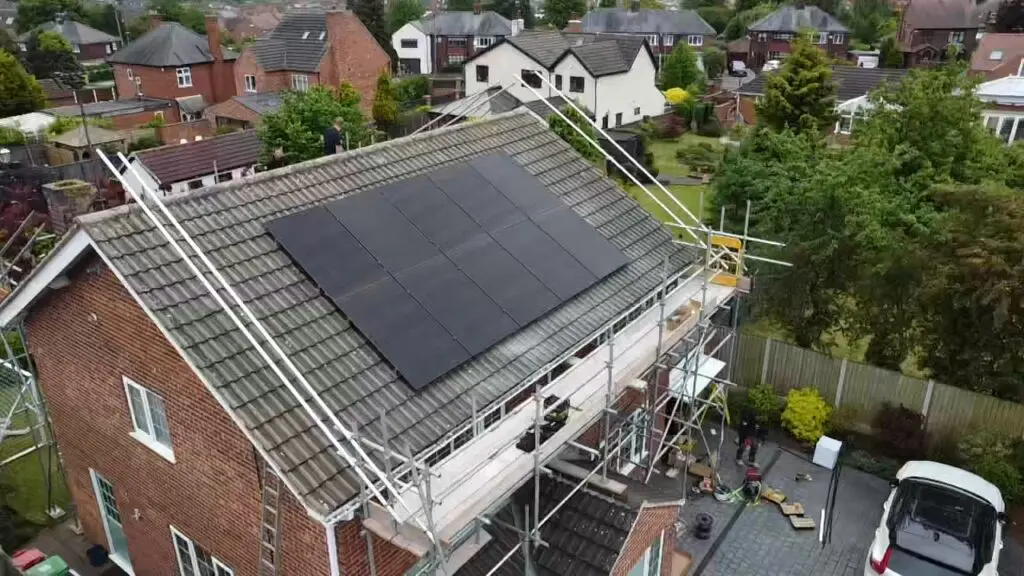
Professional installation offers numerous benefits. Experts can assess site-specific conditions and recommend optimal configurations. Their experience ensures that panels are securely mounted and positioned for maximum exposure.
While DIY installations are possible, they come with challenges. Accurate measurements and knowledge of electrical connections are crucial. Many homeowners find that hiring a professional installer results in better performance and less hassle over time.

Enhancing Solar Panel Performance Without Direct Sunlight
Advancements in solar panel technology have significantly improved their performance in varying light conditions. Modern panels are designed to capture both direct and diffuse sunlight. This means they continue to produce power even without direct sun.
Solar tracking systems are another innovative solution. These systems adjust the angle of solar panels throughout the day to follow the sun’s path. By doing so, they maximise sunlight exposure and energy generation.
Energy storage solutions like batteries complement solar panels effectively. They store excess energy produced during sunny periods, which can be used when sunlight is insufficient. This ensures a consistent power supply regardless of weather.
Regular maintenance and cleaning can further enhance solar panel efficiency. Removing dust, dirt, and debris prevents blockages that reduce energy absorption. A routine check-up helps maintain optimal performance and extends the lifespan of the panels.
- Keep panels clean and free of debris
- Invest in energy storage systems for consistent power
- Consider solar tracking to maximise sunlight exposure
The Economics of Solar Panels in Low Sunlight Areas
Even in areas with less sunlight, solar panels can be economically beneficial. The initial investment might seem significant. However, long-term savings often offset these upfront costs through reduced electricity bills.
Government incentives such as the Smart Export Tariff allows homeowners to earn money for excess energy provided back to the grid.
Investing in solar energy also increases property value. Eco-friendly homes are appealing to potential buyers. In the long run, solar panels present both environmental and economic advantages, regardless of average sunlight availability.
Conclusion: The Versatility of Solar Panels in Harnessing Sunlight
Solar panels are remarkably adaptable to various sunlight conditions. They work efficiently even when direct sun is not always present. This flexibility makes them an attractive energy solution worldwide.
The future of solar energy looks bright, with constant innovations improving efficiency. Technological advancements have allowed for better performance in low-light scenarios, expanding the viability of solar panels.
As solar technology continues to progress, its role in sustainable energy grows. The potential to meet energy needs while reducing environmental impact is promising. The adaptability of solar panels positions them well to lead the renewable energy revolution.